News
JBS Bus Stand: Complete Guide to Routes, Facilities, and Future Metro Plans

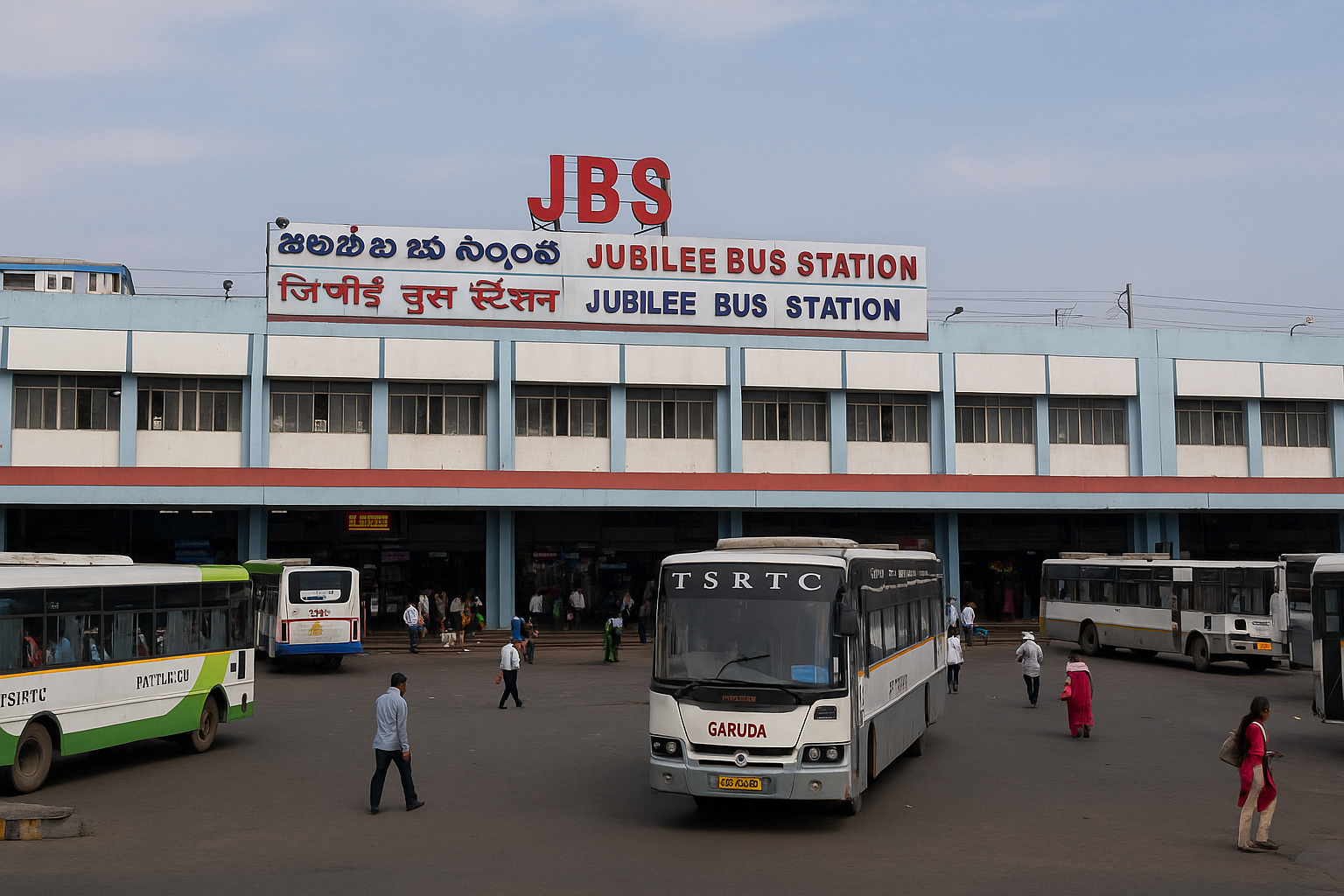
If you’ve ever traveled through Hyderabad or Secunderabad, chances are you’ve come across JBS Bus Stand—also known as Jubilee Bus Station. It’s one of the busiest and most important transport hubs in Telangana, connecting thousands of travelers each day to various cities and towns across the region.
Located in the heart of Secunderabad, JBS Bus Stand serves as a major junction for inter-city and interstate bus services, operated primarily by TSRTC (Telangana State Road Transport Corporation). With close access to the Secunderabad Railway Station and the Parade Ground Metro Station, it’s a well-connected spot that blends bus, rail, and metro travel in one area.
In this article about jbs bus stand, we’ll explore everything you need to know—its facilities, transport links, travel tips, and exciting metro integration plans that promise to make it one of India’s most advanced transit hubs. Whether you’re a daily commuter, a traveler with kids, or someone planning a long-distance journey, this guide has you covered.
Table of Contents
What Is the JBS Bus Stand? Setting the Context
When people talk about major transport points in Hyderabad, JBS Bus Stand—short for Jubilee Bus Station—stands out as one of the most important. It plays a key role in keeping the city and state connected, offering both convenience and accessibility to travelers.
Overview and History
Jubilee Bus Station (JBS) is a government-run bus terminal operated by the Telangana State Road Transport Corporation (TSRTC). It is located in Secunderabad, right next to key landmarks like the Secunderabad Railway Station and Parade Ground Metro Station. This strategic location makes it ideal for travelers switching between different modes of transport—bus, train, or metro.
Over the years, JBS has evolved significantly. It was once a basic bus stop but underwent modernization around 2020 to improve infrastructure, safety, and passenger comfort. The upgrades included digital boards, covered waiting areas, and better sanitation facilities.
Significance in Hyderabad and Telangana
JBS is more than just a local bus stand. It is one of the two major bus stations in Hyderabad, the other being MGBS (Mahatma Gandhi Bus Station). While MGBS primarily handles routes to southern Andhra Pradesh, JBS is known for its strong inter-city and interstate connectivity to cities like Warangal, Nizamabad, Vijayawada, Bengaluru, and Mumbai.
What makes JBS even more significant is its integration with the larger vision of urban mobility in Telangana. According to planning insights from Rail Analysis and Wikipedia, the bus stand is being developed into a multi-modal hub—connecting not only buses but also metro and future infrastructure. For travelers and commuters alike, this means better coordination, less travel time, and smoother transitions between routes.
Whether you’re heading to a nearby town or a faraway city, JBS Bus Stand offers the kind of access and reliability that makes travel more manageable and less stressful.
JBS Bus Stand: Facilities & Connectivity
For any major transport hub to be truly useful, it must offer not just good routes, but also comfortable facilities and easy connectivity. JBS Bus Stand checks both boxes, making it one of the most traveler-friendly stations in the region. Whether you’re waiting for a bus, transferring from a train, or catching the metro, this station is designed to meet your needs.
Station Infrastructure and Amenities
JBS has gone through several upgrades over the years to improve the passenger experience. Today, it offers a well-organized and clean environment with several essential amenities:
- Covered seating areas for passengers to wait comfortably
- TSRTC ticket counters and e-ticketing kiosks for easy booking
- Electronic display boards showing bus schedules and platform information
- CCTV surveillance for safety and security
- Clean washrooms and water points available throughout the terminal
- Free Wi-Fi access in designated areas
- ATM machines for last-minute cash withdrawals
- A range of food stalls, tea vendors, and retail shops, providing quick snacks, meals, or travel essentials
According to Wikipedia and wanderlog.com, these features make JBS not just a stopover point, but a comfortable waiting space, especially helpful for families, senior citizens, and travelers on longer routes.
Transport Connectivity
What makes JBS Bus Stand even more valuable is its strong connectivity to other major transport lines.
- It is located just 2 kilometers from Secunderabad Railway Station, making it easy for travelers arriving by train to catch their next bus without hassle.
- The Parade Ground Metro Station, part of Hyderabad Metro’s Blue Line, is about 800 meters away—a short walk or rickshaw ride from the terminal.
- Outside the bus station, you’ll find a steady availability of auto-rickshaws, taxis, and local buses, making last-mile connectivity convenient.
According to reviews on Tripadvisor, Wikipedia, and wanderlog.com, many travelers appreciate how easy it is to switch between train, metro, and bus at JBS without feeling lost or delayed.
Whether you’re heading to the city center, catching a long-distance ride, or arriving from another state, JBS Bus Stand’s connectivity and facilities make the journey easier from start to finish.
Services & Operating Details
JBS Bus Stand is not just a physical structure—it’s a fully functional transport system that supports thousands of passengers every day. From short city routes to long interstate journeys, the station handles a wide variety of services to suit every kind of traveler.
Routes and Bus Types
One of the standout features of JBS Bus Stand is its diverse route network. It connects Hyderabad and Secunderabad to major cities and towns across Telangana and neighboring states.
Inter-City Routes (Within Telangana):
Passengers can easily board buses to:
- Warangal
- Karimnagar
- Nizamabad
- Khammam
- Tirupati
- And many more popular destinations
Interstate Services:
The station also handles several long-distance buses going to:
- Maharashtra (e.g., Mumbai, Nagpur)
- Karnataka (e.g., Bengaluru, Bidar)
- Andhra Pradesh (e.g., Vijayawada, Guntur, Visakhapatnam)
According to wanderlog.com, these routes are well-serviced and maintained regularly for both safety and punctuality.
Bus Fleet Types:
Travelers have the option to choose from a range of bus categories, depending on comfort level and budget:
- Ordinary buses – affordable for daily commuters
- Express and Deluxe buses – faster and slightly more comfortable
- Luxury services – such as Garuda, Rajadhani, and Vajra, offering AC, reclining seats, and minimal stops for long journeys
Sources including EaseMyTrip, wanderlog.com, and Scribd confirm that TSRTC’s varied fleet from JBS suits both budget-conscious travelers and those seeking extra comfort.
Passenger Support & Information
JBS offers on-site enquiry counters where passengers can ask about:
- Real-time bus schedules
- Platform changes
- Booking support or route info
While electronic display boards show upcoming departures and platform numbers, some users have noted occasional bus delays or cancellations, especially during peak seasons or public holidays.
Wanderlog.com reviews suggest that while the information system is generally reliable, it’s always a good idea to double-check your schedule at the counter, especially for long-distance or night services.
In all, the broad coverage of routes, choice of bus types, and basic support systems make JBS Bus Stand a dependable choice for both local and interstate travel.
Common Visitor Experiences & Challenges
Like any large public transit hub, JBS Bus Stand offers a mix of positive experiences and a few challenges. Most visitors find the station convenient and well-equipped, but there are areas that could use improvement. Understanding what to expect can help travelers plan better and avoid common frustrations.
Positive Highlights
Many travelers appreciate the comfort and maintenance at JBS, especially when compared to older or more crowded bus terminals.
Here are some commonly praised features:
- Cleanliness: Most platforms are regularly cleaned, especially the waiting zones and seating areas.
- Well-kept benches and covered areas: There are plenty of places to sit, including shaded waiting spots for comfort during the hot season.
- Snack stalls and food vendors: Visitors often mention the availability of snacks, tea, and light meals near the platforms—convenient for those waiting on longer routes.
- Baby feeding rooms: A rare but very helpful feature for families traveling with infants. These private spaces offer dignity and comfort for mothers on the move.
According to wanderlog.com, many first-time visitors are pleasantly surprised by how organized the terminal feels, especially during off-peak hours.
Reported Issues & Cautions
Despite its strengths, JBS Bus Stand isn’t without its drawbacks. Reviews on wanderlog.com highlight a few concerns that travelers should be aware of:
- Cleanliness can be inconsistent, especially around Platform 13, where users have noted unclean corners and a strong odor from nearby washrooms.
- Hygiene issues have been raised about a few food vendors. While many stalls are safe and popular, travelers should choose stalls with visible hygiene practices.
- Crowding is a common issue during weekends, holidays, or festival seasons. The terminal gets packed, and managing luggage or small children can be a challenge.
- Lack of clear signboards has also been noted. While electronic displays are helpful, physical signs for platforms are either missing or hard to read in certain areas.
These are not dealbreakers, but they’re worth preparing for. Bringing bottled water, sanitizing wipes, and arriving early can help reduce stress.
In short, while JBS Bus Stand offers many conveniences, being mindful of peak times and station layout can help travelers have a smoother, more comfortable experience.
Planning Your Visit: Tips for Travelers
Whether you’re a first-time visitor or a frequent commuter, a little preparation can go a long way at JBS Bus Stand. With the right timing, tools, and knowledge of the layout, your journey can be smooth and stress-free.
Best Times to Visit & Avoid Crowds
Like most major transport hubs, JBS Bus Stand experiences heavy traffic during peak travel hours. If you want to avoid long lines and crowded platforms, plan your visit wisely.
Recommended off-peak hours:
- Weekdays (especially Tuesday–Thursday) between 10 AM and 4 PM
- Early mornings (before 8 AM) or late evenings (after 8 PM), if your schedule allows
According to user reviews on wanderlog.com, weekends and public holidays tend to bring higher foot traffic, especially near major platforms and booking counters. If you’re traveling with children or elderly companions, sticking to quieter times can make a big difference.
Booking & Ticketing Guidance
Booking your ticket in advance can save both time and hassle. Here’s how:
- Use the TSRTC e-ticketing portal or mobile app to book online.
- If booking in person, head to the main enquiry counter—the staff can help with timings, routes, and seat availability.
- For popular routes or long-distance services (like Garuda or Rajadhani buses), it’s best to reserve seats at least a day ahead.
- Always double-check your bus schedule, as some delays or cancellations may not be updated instantly on the boards.
This simple step helps avoid confusion, especially during late-night or early-morning departures.
Navigating the Station & Nearby Facilitie
The station is large, but easy to navigate with a little planning:
- Identify your platform early. If you’re unsure, ask staff at the enquiry desk or check the electronic display boards.
- Locate key amenities such as:
- Baby feeding room (ideal for families)
- Snack and tea stalls near major platforms
- Cloakroom/luggage storage if you’re waiting between connections
- If you’re walking in from nearby locations like Parade Ground Metro, follow posted directions or use Google Maps for the shortest route.
Some users on wanderlog.com recommend arriving 15–20 minutes early, especially if you’re unfamiliar with the station layout or traveling during busier times.
With just a little preparation—choosing the right time, booking tickets smartly, and knowing where to go—you can make your experience at JBS Bus Stand both efficient and comfortable.
Future Vision: Metro Expansion & Urban Connectivity
JBS Bus Stand is already a major player in Hyderabad’s transport system—but even bigger changes are on the way. The Telangana government and Hyderabad Metro Rail authorities have laid out bold plans to transform JBS into one of India’s largest integrated transit hubs, with connectivity and convenience at its core.
JBS Metro Hub Redevelopment
The Hyderabad Airport Metro Limited (HAML), in coordination with the state government, has proposed a massive redevelopment of the JBS area. The goal is to convert JBS into a mega metro-bus interchange hub, one that could rival or even surpass Delhi’s Kashmere Gate metro station in both size and connectivity.
As per reports from Wikipedia, RailAnalysis.in, and The Times of India, this upgraded facility will:
- Integrate metro, TSRTC buses, local transport, and long-distance travel into a single, seamless system
- Handle significantly more footfall with improved layout and passenger flow
- Serve as a central link between the northern parts of the city and the rest of the Hyderabad metro network
This transformation marks a major shift toward multimodal urban transport planning in South India.
Integration Plans and Infrastructure Growth
The redevelopment isn’t just cosmetic—it’s a full-scale infrastructure boost covering over 30 acres of land.
Key proposals include:
- A 60 km Medchal–RGI Airport metro line, connecting outer city zones with the airport and core metro system
- Skywalks and walkable linkages between metro stations, bus platforms, and commercial zones
- Multi-level parking facilities to ease congestion and reduce roadside clutter
- Dedicated areas for retail, food courts, and services to support traveler needs and generate economic activity
According to RailAnalysis.in and The Times of India, this project is being designed to support the next 20–30 years of urban growth in Hyderabad.
What It Means for Commuters
Once completed, the future JBS metro hub will offer significant advantages for all types of passengers:
- Easier transfers between bus, metro, and train—especially useful for long-distance travelers and daily commuters
- Reduced congestion around Secunderabad and Parade Ground stations
- Shorter travel times due to more direct routes and better coordination between transit services
- A more comfortable, safer, and tech-enabled passenger experience
- Boosted regional connectivity that links city outskirts with the airport, tech zones, and other major terminals
In short, this vision will turn JBS Bus Stand into more than just a bus station—it will become a modern transport hub central to the future of Hyderabad’s urban mobility.
Expert Insights & Local Authority Input
As JBS Bus Stand prepares for its next phase of transformation, both government officials and urban mobility experts have weighed in with strong support. Their insights not only validate the redevelopment plans but also highlight why this project matters for the future of Hyderabad and India’s transit infrastructure.
Government and Agency Perspectives
Officials from Hyderabad Airport Metro Limited (HAML) and the Telangana state government have consistently emphasized the scale and impact of the JBS redevelopment initiative.
In an official statement cited by RailAnalysis.in, the Managing Director of HAML, NVS Reddy, shared that the upgraded JBS hub would:
- Become India’s largest integrated metro-bus interchange, surpassing even Delhi’s Kashmere Gate in design and functionality
- Help streamline multimodal travel, reducing pressure on existing city transport systems
- Offer greater accessibility to outer city zones, including faster routes to the airport and tech corridors
Transport planners within TSRTC and Metro Rail also acknowledged that the new infrastructure would ease congestion in Secunderabad and provide a safer, more efficient commuting experience, especially for families, senior citizens, and long-distance travelers.
Urban Planning and Mobility Experts
Experts in urban development have praised the JBS transformation project as a shining example of transit-oriented development (TOD)—an urban planning model that integrates public transportation directly into city infrastructure and living spaces.
Urban mobility specialists note that:
- The project sets a precedent for sustainable, high-capacity hubs in fast-growing Indian cities
- It encourages the use of public transport over private vehicles, reducing traffic and environmental impact
- It combines commercial, commuter, and social spaces, turning a simple bus station into a vibrant, community-serving hub
By blending functionality with forward-thinking design, JBS Bus Stand is being recognized as a model for future smart-city transit networks across India.
These expert insights confirm that the JBS redevelopment is not just a local upgrade—it’s a strategic move toward a more connected, commuter-friendly urban future.
Practical Recommendations & Traveler Advice
Whether you’re a local commuter, a first-time visitor, or traveling with family, navigating JBS Bus Stand becomes much easier with the right preparation. Here are simple, experience-based tips to help make your journey smoother and more comfortable.
For Daily Commuters
If you use JBS regularly for work or school travel, efficiency is key. Here’s how to streamline your routine:
- Leverage local connectivity: Use Secunderabad Railway Station or Parade Ground Metro to shorten commute time.
- Auto-rickshaws and TSRTC feeder buses near the station make the last mile convenient.
- Avoid peak hours—typically 7:30–9:30 AM and 5:30–8:00 PM—when platforms and ticket counters are busiest.
- Check bus schedules online via TSRTC’s website or app to avoid unexpected cancellations or delays.
Being proactive with your route can help reduce waiting time and improve daily consistency.
For First-Time Visitors / Tourists
New to JBS or the city? Here are some beginner-friendly pointers:
- Use landmarks like Patny Centre, Parade Ground Metro, or Clock Tower Road to locate the station easily.
- Arrive at least 20–30 minutes early to find your platform, grab snacks, or ask for help if needed.
- Carry essentials like bottled water, hand sanitiser, and a fully charged phone—especially during long trips.
- Keep your ticket and ID accessible for quick boarding, particularly on premium buses like Garuda or Rajadhani.
These small steps can help you feel more confident and relaxed during your journey.
For Parents / Elderly / Travelers with Needs
JBS offers a few helpful facilities for those who need extra care, but planning ahead makes a big difference:
- Look for the baby feeding room—a quiet, private space ideal for nursing mothers.
- Clean restrooms and benches are available across the terminal—try to locate them early, especially if mobility is limited.
- Request assistance from TSRTC staff if you need help with luggage or platform directions.
- If you’re traveling with children or elderly family members, map your route from entrance to platform in advance to avoid confusion or last-minute rush.
A calm, well-paced approach ensures that everyone in your group stays comfortable and safe.
Conclusion
JBS Bus Stand is not just a bus station—it’s a vital lifeline that connects Hyderabad with cities across Telangana and neighboring states. With its clean facilities, wide range of bus services, and a promising future as a major metro hub, jbs bus stand offers both comfort and convenience for today’s travelers.
Whether you’re commuting daily, planning a long-distance journey, or supporting a family member on the move, taking a few minutes to plan your visit can truly enhance the experience. Use the right tools, travel smart, and let JBS work for you.

Jumbo Box Braids: A Complete Guide to the Trendy 2025 Protective Hairstyle

How Coffee Cups Have Changed Over Decade

Study Number One: The Best Way to Help Your Child Learn Smarter

JBS Bus Stand: Complete Guide to Routes, Facilities, and Future Metro Plans

Healthy Life WellHealthOrganic: A Simple, Realistic Guide for New Parents to Build a Naturally Balanced Lifestyle

Choosing the Right Daycare Center: What Parents Should Know

Navigating Grief: Resources and Guide for Older Adults

Guiding Your Loved One to the Right Senior Care Placement Options

Choosing the Right Tactical Footwear for Different Terrain

How Premises Accidents Affect Businesses: Risks, Costs, and Prevention
Jumbo Box Braids: A Complete Guide to the Trendy 2025 Protective Hairstyle
How Coffee Cups Have Changed Over Decade
Study Number One: The Best Way to Help Your Child Learn Smarter
JBS Bus Stand: Complete Guide to Routes, Facilities, and Future Metro Plans
Healthy Life WellHealthOrganic: A Simple, Realistic Guide for New Parents to Build a Naturally Balanced Lifestyle
Choosing the Right Daycare Center: What Parents Should Know
Navigating Grief: Resources and Guide for Older Adults
Guiding Your Loved One to the Right Senior Care Placement Options
Choosing the Right Tactical Footwear for Different Terrain