Lifestyle
Five Considerable Differences between Intrastate and Interstate Trucking

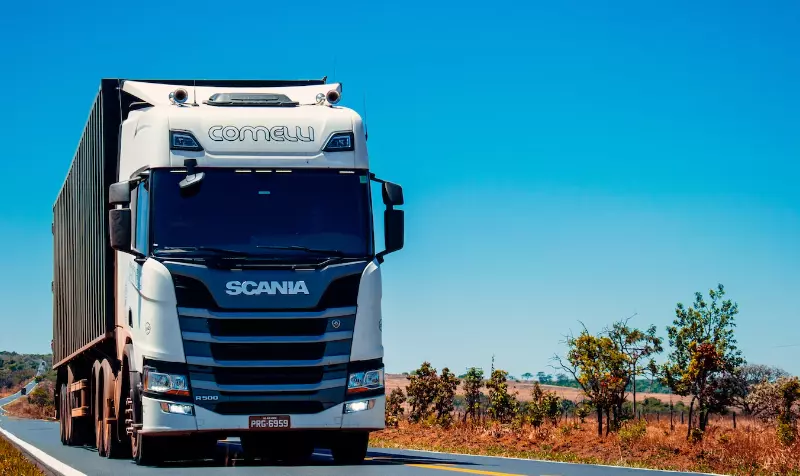
Starting a trucking business can be a very exciting experience. The first thing that comes to mind while considering starting your operation is the ground your trucks will cover. Sometimes, it may be within the borders of your state, or you may consider covering ground through multiple states or even countries.
You may want to know what is intrastate vs interstate in the trucking world. This term is tossed around frequently in the trucking world, and an in-depth understanding of these concepts can help you choose the right trucking authority package.
Here are some of the differences between intrastate and interstate trucking that you must consider to make the right choice.
Table of Contents
DOT Number Requirements
Trucks that travel intestate may not require getting a USDOT Number. However, it is a compulsion to travel interstate with a vehicle with a GVWR, GCW, or GVW of more than 10,000 lbs. or transport more than the right passengers for compensation. This also includes trucks that transport more than 15 passengers, not for compensation.
The DOT number identifies that the government keeps track of the safety information of a certain vehicle. Of course, it is also important to adhere to the FMCSA safety regulations. You can check with the state licensing agency to ensure you have everything you need.
Consider Opening Authority
If you have decided to make your trucking business interstate, you may need an MC number, also known as opening authority. An MC number becomes necessary if you operate for hire, transportation of passengers, or regulated commodities.
An operating authority is your registration with the federal government that defines what cargo you can carry between the states and the truck insurance limits for your needs.
You can register for operating authority online through the United Registration System (URS). New applicants can also get their DOT number with this process.
Type of Trucks
Intrastate trucks usually carry materials and passengers for local businesses and government entities. The following are commercial vehicles licensed to conduct business between state lines.
Garbage Trucks
These intrastate trucks are designed to collect and transport waste to landfills or transport facilities. They usually belong to a city or a government body that may be operated privately.
Dump Trucks
These uniquely designed trucks transport loose construction materials. It uses hydraulic pumps to hinge loads on and off a truck, making it easy to lift the bed, dump debris, haul sand, rock, and more.
Tow Trucks
Tow trucks are frequently used to tow two-wheelers and remain a huge part of intrastate commerce. They can be distinguished with a hook and chain and pick up to 1 ton of weight.
Here are some motor vehicles used in interstate trucking. They are larger in appearance than intrastate vehicles and carry more weight.
Eighteen Wheelers
These are some of the biggest trucks one may see on the highway. They carry huge loads of weight and have the most weight on the rear. They are mostly for intrastate commutes and commonly require extensive paperwork.
Tanker Trucks
These commercial vehicles may carry liquid, gas, or other hazardous substances to or from worksites. They are used vastly in intrastate transportation. These vehicles require expert drivers due to the level of harm they can cause by negligence.
4. Insurance Requirements
There are different insurance requirements for intrastate and interstate trucking. It is important to be mindful that insurance companies usually provide insurance for trucks driven by drivers with an experience of 2 years or more. They are hesitant and may say no as soon as they are informed otherwise.
Interstate Trucking
The Federal Motor Carrier Safety Administration (FMCSA) has some insurance requirements for interstate trucking companies. These insurances are a requirement for public liability. The rates for this coverage can vary for every vehicle, depending on factors such as its weight and the type of goods you move.
Intrastate Trucking
The requirements for insurance within the state vary in every area. Your state may also define a minimum of coverage. You must check with the rules and regulations of your state to get a better idea of the best insurance plan for your intrastate trucking.
5. IFTA Compliance
International Fuel Tax Agreement (IFTA) and International Registration Plan (IRP) can act as your way to collect fuel taxes. Therefore, you will not have to file for taxes in all states for interstate travel. However, there are some states that may require separate fuel permits for intrastate travel. These states include the following
- Connecticut
- Indiana
- Kentucky
- Maine
- North Carolina
- Utah
- West Virginia
- Pennsylvania
However, you can get temporary fuel and trip permits by registering for IFTA and IRP if you operate within state borders.
For more information, check out the rest of our site 5elifestyle today!

Jumbo Box Braids: A Complete Guide to the Trendy 2025 Protective Hairstyle

How Coffee Cups Have Changed Over Decade

Study Number One: The Best Way to Help Your Child Learn Smarter

JBS Bus Stand: Complete Guide to Routes, Facilities, and Future Metro Plans

Healthy Life WellHealthOrganic: A Simple, Realistic Guide for New Parents to Build a Naturally Balanced Lifestyle

Choosing the Right Daycare Center: What Parents Should Know

Navigating Grief: Resources and Guide for Older Adults

Guiding Your Loved One to the Right Senior Care Placement Options

Choosing the Right Tactical Footwear for Different Terrain

How Premises Accidents Affect Businesses: Risks, Costs, and Prevention
Jumbo Box Braids: A Complete Guide to the Trendy 2025 Protective Hairstyle
How Coffee Cups Have Changed Over Decade
Study Number One: The Best Way to Help Your Child Learn Smarter
JBS Bus Stand: Complete Guide to Routes, Facilities, and Future Metro Plans
Healthy Life WellHealthOrganic: A Simple, Realistic Guide for New Parents to Build a Naturally Balanced Lifestyle
Choosing the Right Daycare Center: What Parents Should Know
Navigating Grief: Resources and Guide for Older Adults
Guiding Your Loved One to the Right Senior Care Placement Options
Choosing the Right Tactical Footwear for Different Terrain