Wealth
Healthy Life WellHealthOrganic: A Simple, Realistic Guide for New Parents to Build a Naturally Balanced Lifestyle

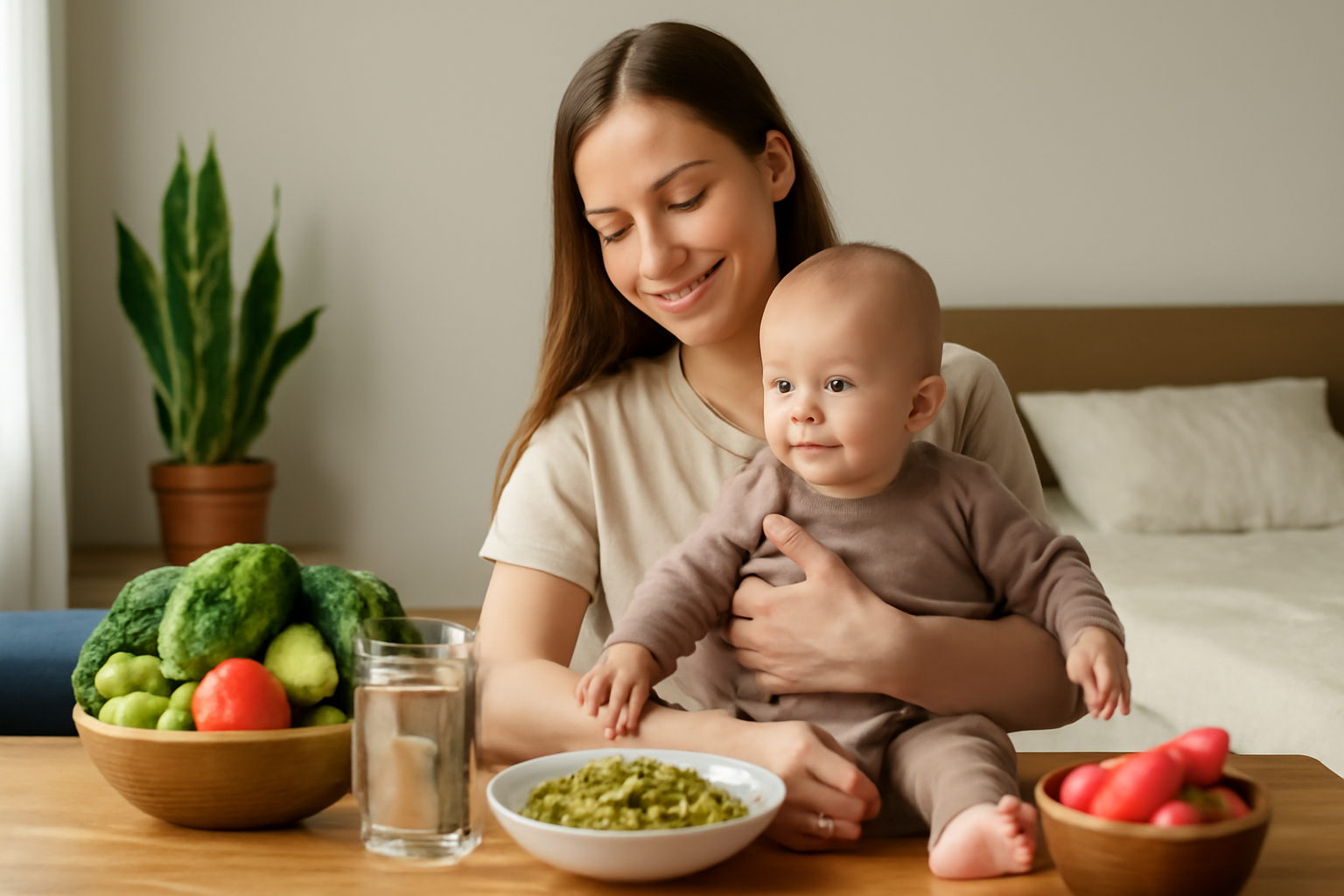
Living a healthy life isn’t just about avoiding illness—it’s about creating balance in your daily routine. The idea of a healthy life wellhealthorganic brings together clean eating, mindful habits, emotional well-being, and natural choices. It encourages people to live in a way that supports the body, mind, and environment—without relying on harsh chemicals, fast food, or unrealistic trends.
For new parents, this lifestyle holds even more value. Between caring for a baby, managing sleepless nights, and trying to stay on top of everyday tasks, it’s easy to feel overwhelmed. That’s why a wellhealthorganic approach focuses on simple, sustainable steps. It’s about small changes that improve energy, reduce stress, and create a safe, healthy space for the whole family. Whether it’s choosing organic meals, practicing gentle movement, or creating a calm bedtime routine, every action counts toward building a more balanced life.
In this guide, we’ll explore how the healthy life wellhealthorganic approach can support new parents—offering real tips that fit into busy lives and help the whole family thrive.
Table of Contents
Understanding the Foundation: What “Healthy Life WellHealthOrganic” Really Means
At its core, the idea of a healthy life wellhealthorganic is about living with intention. It encourages people to choose natural, whole foods, prioritize emotional well-being, and create a life rhythm that supports long-term health. This isn’t just a diet or a short-term wellness trend—it’s a balanced lifestyle that includes organic nutrition, mental clarity, physical strength, and emotional stability.
The “organic” part doesn’t only apply to food. It reflects a way of life that avoids unnecessary toxins—whether in your meals, your mindset, or your home environment. Eating clean, staying active, sleeping well, and reducing stress all work together to strengthen the body and calm the mind.
For new parents, this approach is especially meaningful. Children don’t just follow instructions—they imitate what they see. When parents make healthy, thoughtful choices, it naturally teaches children how to care for their own well-being. A wellhealthorganic lifestyle also builds family resilience. When both parents and children are nourished, rested, and emotionally supported, the whole household becomes more connected and adaptable during life’s challenges.
Over time, the benefits multiply. Parents feel more balanced, children grow up with better habits, and families become stronger—physically and emotionally. That’s the true goal of a healthy life wellhealthorganic: not perfection, but steady, supportive growth.
Nutrition & Organic Eating for Growing Families
Eating well is one of the most important parts of living a healthy life wellhealthorganic—especially for families with young children. The food you choose each day doesn’t just fuel your body; it helps build your child’s health, development, and eating habits for the future.
Let’s explore how organic nutrition supports the whole family and how to make it practical, even with a busy schedule.
Choosing Organic & Whole Foods
Organic food is grown without synthetic pesticides, hormones, or GMOs. This means fewer chemical residues, more natural nutrients, and less exposure to harmful substances over time. Research shows that organic fruits and vegetables often contain higher levels of antioxidants and micronutrients—and choosing them may lower the risk of certain allergies or chronic issues in children.
For new parents, the challenge is often time—not motivation. To make organic eating easier:
- Buy seasonal produce—it’s fresher, cheaper, and more nutrient-rich.
- Cook in batches—soups, stews, and roasted veggies store well and reheat quickly.
- Create simple, nutrient-dense meals—like sweet potato mash, avocado toast, or whole grain pasta with steamed greens.
Kid-friendly doesn’t have to mean processed. With a little prep, organic meals can be quick, tasty, and full of goodness.
Key Nutrients for Parents and Babies
Nutrition needs change during early parenthood. Mothers may be recovering from birth or nursing, while babies and toddlers are growing fast. Getting the right balance of key nutrients is essential for both.
Focus on:
- Proteins: Needed for growth and tissue repair. Organic eggs, lentils, grass-fed meats, and Greek yogurt are all excellent choices.
- Healthy fats: Omega-3 fatty acids support brain development. Include wild-caught salmon, flaxseeds, walnuts, or chia seeds.
- Iron & Vitamin D: Essential for energy and immune health. Try spinach, fortified cereals, mushrooms, and safe sun exposure.
For toddlers, try soft foods like mashed lentils, pureed carrots, and banana oat pancakes. Always check age-appropriate textures, and when possible, serve a colorful plate—it encourages better eating habits naturally.
Hydration & Detox with Kid-Friendly Options
Water plays a vital role in immunity, digestion, and lactation—especially during the early parenting years. For babies, hydration comes mainly through breastmilk or formula. But for parents and older children, daily water intake is essential to feel energized and healthy.
Some easy, natural hydration ideas:
- Infused water: Add lemon, mint, berries, or cucumber to a jug of water for a refreshing boost.
- Mild herbal teas: Chamomile and rooibos (caffeine-free) are gentle and soothing for adults.
- Hydrating snacks: Offer foods with high water content—like watermelon, oranges, or sliced cucumbers.
Avoid sugary drinks, especially for toddlers. Instead, keep a refillable water bottle handy for yourself and your child—it builds great habits early.
Gentle Movement & Fitness for Parents & Little Ones
Staying active after becoming a parent may feel overwhelming—but movement doesn’t have to mean long workouts or gym memberships. In fact, the healthy life wellhealthorganic approach encourages gentle, regular activity that fits into your daily rhythm. Even light movement can improve energy, reduce stress, and support recovery after childbirth.
Everyday Movement for Parenthood Life
The key is to move in ways that feel manageable and enjoyable. You don’t need a fancy plan—just a bit of consistency.
Here are some simple, low-impact fitness ideas:
- Walk with your stroller: A 15–30 minute walk around the block gives you fresh air and gets your heart moving.
- Do baby yoga: Stretch on the floor while your baby plays nearby. Some moves even include gentle interaction with your child.
- Try short home workouts: Set a timer for 10 minutes and do basic moves like squats, bridges, and wall push-ups.
To make it part of your routine, link movement to daily habits. Do squats while waiting for the kettle, stretch during tummy time, or play music and dance while tidying the house. These small efforts add up—and your child sees physical activity as a normal part of life.
Supporting Strength, Flexibility & Balance
As your baby grows and becomes more mobile, your body works harder—especially your back, arms, and shoulders. Supporting your strength and posture is essential for staying pain-free and energized.
Some quick ways to build strength:
- Bodyweight moves: Push-ups (on knees or against a wall), planks, and lunges can be done without equipment.
- Resistance bands: Lightweight and portable, bands help strengthen arms and legs with gentle resistance.
- Stretching: Focus on shoulders, neck, and lower back—areas that often get tight from feeding or carrying a child.
Don’t forget balance exercises, especially for parents on the go:
- Stand on one foot while brushing your teeth.
- Practice slow, mindful steps (even barefoot at home) to strengthen core stability.
These routines don’t need to be perfect. The goal is to keep your body mobile and supported as you care for your little one.
Mental Health, Stress Management & Emotional Well-Being
A healthy life wellhealthorganic isn’t complete without caring for your mind and emotions. For new parents, the shift into a caregiving role can be both beautiful and exhausting. Sleepless nights, changing routines, and constant responsibilities take a toll on mental health. That’s why stress management and emotional balance are just as important as nutrition and exercise.
Mindfulness in Parenthood
Mindfulness isn’t about silence or sitting still—it’s about being present, even during busy moments. Small practices done regularly can calm the mind and bring clarity to your day.
Here are a few that work well for parents:
- 5-minute breathing: Close your eyes, breathe deeply, and count each breath. It helps reset stress and anxiety.
- Gratitude during feeding: As you nurse or bottle-feed, take a moment to think of one thing you’re grateful for—no matter how small.
- Mindful walks with your baby: Notice the sights, sounds, and feel of each step. Even short walks can bring peace.
It’s also important to acknowledge stress honestly. Feeling overwhelmed doesn’t mean you’re failing—it means you’re human. Many parents feel the same, and giving yourself grace is a powerful first step.
Natural Remedies & Relaxation
Nature offers gentle tools that can support emotional well-being without harsh side effects. When used safely and in age-appropriate ways, these remedies can bring comfort to both parents and children.
Some options to consider:
- Chamomile tea: Known for its calming properties, it can help with tension and digestion.
- Lavender essential oil: A few drops in a diffuser or diluted for a light massage can ease stress and support sleep.
- Ashwagandha: An adaptogen that may help manage anxiety and fatigue. Always consult a healthcare provider before using it—especially during pregnancy or while breastfeeding.
Simple rituals matter too:
- Take a warm bath after your child sleeps.
- Play soft music in the background during the evening wind-down.
- Practice light massage—even 10 minutes can release tension stored in your shoulders or lower back.
Building Support & Community
No one should go through parenthood alone. Emotional wellness improves when you feel seen, heard, and supported by others.
Here’s how to build that:
- Parent groups: Local meetups, baby-and-me classes, or casual coffee circles create space for shared experience.
- Online forums: Virtual communities offer quick advice, encouragement, or just a place to vent.
- Wellness classes: Yoga, breathwork, or holistic parenting sessions help you stay grounded while meeting others with similar values.
Being part of a supportive group doesn’t just help you—it helps your child too. When parents feel emotionally steady, children tend to feel more secure and connected.
Sleep Quality & Restorative Routines
In any stage of life, sleep is essential—but for new parents, it can feel like a luxury. Between nighttime feedings, early mornings, and shifting schedules, sleep often gets interrupted. The healthy life wellhealthorganic mindset encourages restful, natural routines that restore energy—without relying on screens, stimulants, or chemical sleep aids.
Even small changes can help improve sleep quality for both parents and children.
Improving Your Sleep
Sleep might not come in long, perfect stretches during early parenthood, but it can still be restorative. The goal is to make the most of the rest you do get.
Here are a few gentle strategies:
- Set a wind-down routine: Even 10–15 minutes of calm before bed—like washing your face, sipping herbal tea, or reading—can signal to your body that it’s time to rest.
- Use blackout curtains: These help block out early morning or street light, creating a darker, more restful space.
- Limit phone use before bed: Blue light from screens can delay melatonin production and make it harder to fall asleep.
- Keep your bedroom cool and quiet: A peaceful sleep environment supports deeper, more restful sleep—even in short stretches.
Try not to focus on the number of hours. Instead, focus on quality—and give yourself permission to rest whenever possible.
Helping Baby & Child Sleep Naturally
Helping your baby sleep well doesn’t require strict schedules or expensive gadgets. A soothing, organic sleep environment and consistent routine can make a big difference.
Start with the basics:
- Organic bedding: Choose breathable, chemical-free fabrics for your baby’s crib or bassinet. Natural materials like organic cotton can help regulate body temperature and reduce skin irritation.
- Gentle routines: Keep naps consistent, use soft lighting, and create a predictable bedtime rhythm (like bath, massage, story, bed).
- Organic baby massage: A few minutes of gentle massage with natural oils—like coconut or almond—can relax your baby’s body and signal that it’s time to sleep.
Some natural sleep aids to consider (used safely and with guidance):
- Mild herbal teas for parents: Chamomile or lemon balm can help wind down. Avoid giving herbal teas to infants unless approved by your pediatrician.
- Gentle aromatherapy: A small diffuser with a drop of baby-safe lavender essential oil can help create a peaceful sleep atmosphere.
Remember: each baby is different. What works for one may take time for another. Patience, consistency, and comfort are key to developing healthy sleep patterns.
Preventive Healthcare, Screenings & Expert Advice
Living a healthy life wellhealthorganic doesn’t mean waiting for illness to strike—it means staying ahead with regular care and smart choices. Preventive health is one of the strongest tools for keeping both parents and children well, especially during the early years of family life.
By combining traditional check-ups with holistic practices, families can create a strong foundation for lifelong wellness.
Regular Check-ups & Monitoring
As a parent, it’s easy to focus all your attention on your baby and forget about your own health—but taking care of yourself is part of taking care of them. Regular screenings help identify small issues before they become big problems.
Here’s what to prioritize:
- For parents:
- Monitor blood pressure, especially after childbirth or if you’ve experienced complications.
- Keep track of iron levels to prevent fatigue and support recovery.
- Get a postpartum wellness check, even if everything seems “normal.” Mental and physical recovery often need quiet attention.
- For babies and children:
- Schedule consistent pediatric check-ups to monitor growth, weight, and developmental milestones.
- Discuss infant nutrition with a trusted pediatrician, including guidance on when and how to introduce new foods.
Being proactive allows you to address concerns early, ask questions without pressure, and gain confidence as a caregiver.
Traditional & Integrative Medicine
Western medicine plays a vital role—but it’s not the only approach that can support wellness. Many families find value in blending conventional care with traditional or integrative practices, as long as they’re used wisely and under expert guidance.
For example:
- Ayurveda, an ancient Indian healing system, offers gentle and nourishing care for new moms. Postpartum rituals may include:
- Dosha-based diets (tailored to your body type for better balance)
- Herbal tonics and teas to aid digestion and reduce fatigue
- Warm oil massage (abhyanga) for joint support and relaxation
However, not all remedies are one-size-fits-all—especially for infants or breastfeeding mothers. That’s why choosing credible experts is essential.
Look for:
- Certified pediatricians who understand developmental stages
- Licensed nutritionists who can tailor advice to your family’s needs
- Qualified Ayurvedic practitioners with experience in postpartum care and child wellness
When traditional wisdom is paired with modern science, families benefit from a well-rounded, respectful approach to health.
Environmental Wellness at Home
Creating a healthy home environment is just as important as eating well or managing stress. The healthy life wellhealthorganic lifestyle encourages families to make thoughtful choices about what they bring into their homes. For new parents, this means reducing toxins, using safer materials, and adopting eco-conscious habits that benefit both their children and the planet.
A clean, organic home doesn’t have to be perfect—it just needs to be mindful.
Creating a Safe, Organic Home for Babies
Babies spend most of their time at home, especially during the first year. Their skin is delicate, and their immune systems are still developing—so it’s important to limit exposure to harsh chemicals and synthetic materials.
Start with these simple changes:
- Switch to organic cleaning products: Many traditional cleaners contain strong chemicals that linger in the air and on surfaces. Choose plant-based or fragrance-free alternatives.
- Use air-purifying plants: Spider plants, peace lilies, and snake plants help clean indoor air naturally (just keep them out of baby’s reach).
- Filter your water: A basic water filter can remove common contaminants, making it safer for mixing formula or drinking.
- Choose organic textiles: Look for crib sheets, swaddles, and baby clothes made from organic cotton or bamboo. These materials are gentler on sensitive skin and free from dyes or treatments.
These small adjustments help create a calm, chemical-free space where your baby can grow and explore safely.
Everyday Minimalism & Eco-Friendly Habits
Environmental wellness also includes how we shop, store, and discard things at home. Many families are now choosing to simplify their spaces—not just for sustainability, but for peace of mind.
Here’s how to start:
- Simplify toys and clothing: Choose a few well-made, non-toxic items instead of overfilling your home with plastic or synthetic products.
- Reduce packaging: Buy pantry staples in bulk and bring reusable bags or containers when possible.
- Compost food scraps: It’s an easy way to reduce waste and give back to the earth.
- Support local farms: Buying organic produce or dairy from nearby growers helps reduce environmental impact and supports your community.
These practices aren’t about doing everything perfectly—they’re about creating healthy habits that align with your values. When children grow up in an environment that respects nature and simplicity, they’re more likely to carry those habits into adulthood.
Lifestyle Integration: Creating Balanced Routines
The real power of a healthy life wellhealthorganic lies in how it fits into daily life. It’s not about strict rules or chasing perfection—it’s about building routines that support your energy, mood, and long-term well-being. Especially for parents, small, steady changes are far more effective than big, overwhelming goals.
This section offers a simple way to turn wellness into a daily rhythm you can actually follow.
Daily Ritual Framework
When your day has structure, even if it’s flexible, it’s easier to stay grounded and focused. These small rituals can help guide your morning, afternoon, and evening in a healthy, natural way.
Morning:
- Start with hydration—a glass of water before coffee helps jumpstart your body and mind.
- Do a bit of gentle movement: light stretching or a quick walk while baby naps.
- Take a moment for gratitude—write down or mentally note one thing you’re thankful for.
Daytime:
- Eat mindful meals at a table, even if it’s just 10 quiet minutes with a sandwich.
- Include movement breaks, like dancing in the living room or a short walk outside.
- Make time for play: free, creative moments with your child that build connection.
Evening wind-down:
- Turn off screens at least 30 minutes before bedtime.
- Focus on quiet connection—talk with your partner, read a book, or just sit with your baby.
- Reflect on the day: What went well? What can wait until tomorrow?
When repeated regularly, these routines become habits—and they gently shape a healthier life without stress.
Gradual, Sustainable Implementation
Trying to change everything at once usually leads to burnout. Instead, aim for a week-by-week plan that builds on itself.
Here’s a simple path:
- Week 1: Focus on hydration and better sleep—drink more water, set a calming bedtime.
- Week 2: Start eating more whole foods and simplify meals.
- Week 3: Add short daily movement—walks, stretching, or play-based exercise.
- Week 4: Introduce mindfulness—a breathing practice, gratitude list, or quiet moment each day.
Don’t worry about doing everything perfectly. What matters most is consistency. Even if you miss a day or two, you’re still building something meaningful. A healthy life isn’t created overnight—it’s something you grow into, step by step.
Expert Voices & Real-Life Parent Stories
When you’re in the middle of a messy, sleep-deprived, joy-filled parenting season, hearing from others who’ve walked the same path can be powerful. Real stories offer comfort, and expert insights provide direction. Together, they bring the healthy life wellhealthorganic lifestyle to life in a grounded, human way.
Real-Life Stories from Parents
“Mindful eating changed everything for me.”
— Ayesha, new mom of two
“After my second baby, I was exhausted and always grabbing food on the go. A friend suggested I try eating without distractions—even just for one meal a day. I started with lunch. No phone, no multitasking—just focusing on what I ate. It helped me slow down, feel satisfied, and honestly, I started feeling less bloated and more energized. It sounds small, but it became a little anchor in my day.”
“Joining a local mom-and-baby wellness group helped me breathe again.”
— Sara, first-time mother
“I found a community yoga class for moms and babies, and it changed my outlook. Just being around other parents, moving our bodies together, and sharing what we were going through made me feel less alone. I went for the yoga but stayed for the emotional support.”
What Experts Recommend
Dr. Laila Hassan, Pediatric Nutritionist
“Parents often forget that they need fuel too. I always say—nourish yourself like you nourish your child. Start with whole foods, plenty of water, and don’t skip meals just because the baby is crying. You matter just as much.”
David Reed, Stress Therapist
“The most effective stress relief tool for parents is breathwork. Even 60 seconds of intentional breathing can reset your nervous system. You don’t need a meditation app—just quiet, and your breath.”
Anita Desai, Certified Ayurvedic Practitioner
“Ayurveda reminds us that every body is different. Postpartum care should be gentle and specific. Warm food, warm oil massage, and rest—not stimulation—are the best healers. Even one cup of spiced warm milk or a few minutes of oiling the scalp can be deeply restorative.”
These voices, both personal and professional, remind us that healthy living isn’t about doing everything perfectly. It’s about showing up, trying your best, and learning to care for yourself with the same kindness you offer to your family.
Conclusion
Adopting a healthy life wellhealthorganic isn’t about overnight transformation—it’s a journey. For new parents especially, it’s about finding balance in the chaos, choosing wellness in small ways, and creating a lifestyle that nourishes both body and mind. It’s not always easy, but it’s deeply worth it.
The long-term impact goes far beyond the present. Each mindful choice becomes a model for your child, shaping habits that support stronger family health and lasting vitality. Start with one change today—a better meal, a calmer bedtime, a breath of stillness—and let the rest grow naturally, one day at a time.
FAQs About Living a Healthy Life WellHealthOrganic
Q1: How soon can I introduce organic foods to my baby?
Most pediatricians recommend introducing solid foods around 6 months of age, starting with single-ingredient options like organic mashed bananas, pureed carrots, or rice cereal. Always consult your child’s doctor before starting solids, and introduce new foods one at a time to monitor for allergies.
Q2: Is ashwagandha safe during breastfeeding?
Ashwagandha is a popular adaptogenic herb, but it should be used with caution during breastfeeding. There’s limited research on its safety for nursing mothers, so it’s best to consult with a certified herbalist or your healthcare provider before using it.
Q3: Are essential oils safe to use around infants?
Some essential oils—like lavender or chamomile—may be safe in very small, diluted amounts. However, not all oils are baby-safe. Always use high-quality oils, avoid direct skin contact for infants, and never use oils in diffusers for long periods. Consult with a pediatrician before introducing aromatherapy at home.
Q4: What’s the best way to start a wellhealthorganic lifestyle as a new parent?
Start small. Focus first on hydration, sleep, and simplified meals using whole, organic ingredients. From there, gradually build mindful routines, gentle movement, and toxin-free swaps in your home. Remember—consistency is more important than perfection.
Q5: Can my family live this lifestyle on a budget?
Yes. You don’t need to buy everything organic or switch your entire routine overnight. Prioritize the basics—like organic produce for the “dirty dozen,” reusable items, and home-cooked meals—and shop seasonal or local when possible. Living wellhealthorganic is about conscious choices, not expensive ones.

Jumbo Box Braids: A Complete Guide to the Trendy 2025 Protective Hairstyle

How Coffee Cups Have Changed Over Decade

Study Number One: The Best Way to Help Your Child Learn Smarter

JBS Bus Stand: Complete Guide to Routes, Facilities, and Future Metro Plans

Healthy Life WellHealthOrganic: A Simple, Realistic Guide for New Parents to Build a Naturally Balanced Lifestyle

Choosing the Right Daycare Center: What Parents Should Know

Navigating Grief: Resources and Guide for Older Adults

Guiding Your Loved One to the Right Senior Care Placement Options

Choosing the Right Tactical Footwear for Different Terrain

How Premises Accidents Affect Businesses: Risks, Costs, and Prevention
Jumbo Box Braids: A Complete Guide to the Trendy 2025 Protective Hairstyle
How Coffee Cups Have Changed Over Decade
Study Number One: The Best Way to Help Your Child Learn Smarter
JBS Bus Stand: Complete Guide to Routes, Facilities, and Future Metro Plans
Healthy Life WellHealthOrganic: A Simple, Realistic Guide for New Parents to Build a Naturally Balanced Lifestyle
Choosing the Right Daycare Center: What Parents Should Know
Navigating Grief: Resources and Guide for Older Adults
Guiding Your Loved One to the Right Senior Care Placement Options
Choosing the Right Tactical Footwear for Different Terrain