
Lifestyle
How to Wash a Weighted Blanket Safely (Complete 2026 Guide)

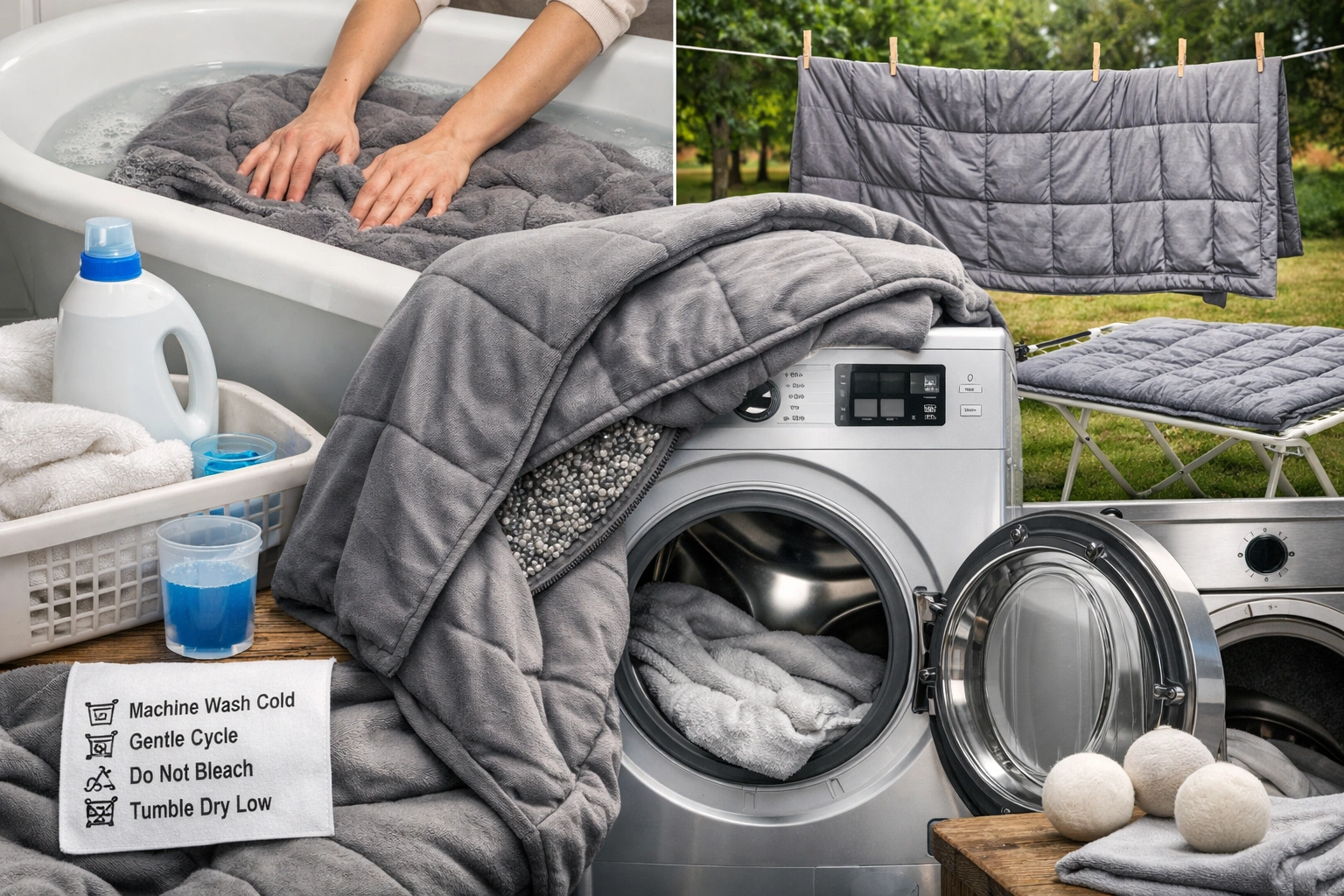
Weighted blankets have moved from niche therapy tools to everyday comfort essentials. But knowing how to wash a weighted blanket properly is where most people go wrong. Unlike regular bedding, these blankets contain glass beads, plastic pellets, or dense fillers that require careful handling. A wrong wash cycle can ruin stitching, cause uneven weight distribution, or even damage your machine.
From personal experience working with different blanket materials—cotton, minky, and bamboo blends—the biggest mistake people make is assuming “one method fits all.” It doesn’t. The right cleaning method depends on weight, fabric, and construction. This guide breaks down everything in a practical, no-nonsense way so your blanket stays durable, hygienic, and evenly weighted.
Table of Contents
Understanding Your Weighted Blanket Before Washing
Before washing anything, identify what you’re dealing with.
Most guides skip this step—but it’s the difference between preserving your blanket and destroying it.
Key factors:
- Outer fabric (cotton, fleece, minky, bamboo)
- Inner filling (glass beads vs plastic pellets)
- Total weight (usually 5–30 lbs)
- Removable cover vs integrated design
A blanket with a removable cover should rarely need full washing. Washing just the cover reduces wear and extends lifespan.
Contrarian insight:
Many people over-wash weighted blankets. Unless there’s a spill or odor, frequent washing actually weakens stitching faster than normal use.
Check The Manufacturer Label First (Always)
This sounds obvious, but it’s often ignored.
Labels typically specify:
- Machine wash limits (often under 15–20 lbs)
- Water temperature (cold or warm)
- Drying instructions (air dry vs tumble low)
Why it matters:
Weighted blankets are engineered differently. Some have reinforced stitching; others rely on compartmental quilting. Ignoring label instructions risks internal bead shifting.
If the label is missing:
- Assume cold wash
- Use gentle cycle
- Avoid high heat completely
How To Wash A Weighted Blanket In A Washing Machine
Machine washing works—but only under the right conditions.
Step-by-step process:
- Use a front-load washer (top-load agitators can damage seams)
- Choose gentle or delicate cycle
- Use cold water
- Add mild detergent (avoid bleach or fabric softener)
- Wash the blanket alone to prevent imbalance
Important rule:
If your blanket exceeds 20 lbs, most home machines are not designed to handle it safely.
Expert tip:
Balance matters more than cleaning power. Uneven spinning causes internal shifting and strain on stitching.
How To Hand Wash A Weighted Blanket (Safer For Heavy Blankets)
Hand washing is slower—but far safer for heavier or delicate blankets.
Steps:
- Fill a bathtub with cold or lukewarm water
- Add mild detergent and mix gently
- Submerge the blanket fully
- Press (don’t twist) to clean
- Let it soak for 15–20 minutes
- Rinse thoroughly until detergent is gone
Avoid wringing at all costs. This is where most internal damage happens.
Contrarian insight:
Hand washing isn’t “old-fashioned”—it’s actually the safest method for preserving weight distribution long-term.
Drying A Weighted Blanket Without Damaging It
Drying is where more damage happens than washing.
Best methods:
- Air dry flat on a clean surface
- Hang evenly (avoid stretching edges)
- Use low heat only if label allows
Never:
- Use high heat
- Overload dryer
- Hang from one side (causes uneven weight pull)
If using a dryer:
- Add dryer balls for airflow
- Pause mid-cycle to redistribute weight
From experience:
Air drying may take longer, but it preserves stitching integrity significantly better over time.
How To Wash A Weighted Blanket With A Removable Cover
This is the easiest and most recommended method.
Process:
- Remove cover
- Machine wash cover normally (based on fabric type)
- Spot clean inner blanket if needed
Benefits:
- Less wear on weighted core
- Faster drying
- Easier maintenance routine
Pro tip:
If you’re buying a new weighted blanket, always choose one with a removable cover. It reduces long-term maintenance effort by more than half.
Common Mistakes That Damage Weighted Blankets
Most damage isn’t from use—it’s from incorrect cleaning.
Avoid these:
- Using hot water (weakens stitching)
- Overloading washing machines
- Using harsh detergents
- Frequent unnecessary washing
- Ignoring weight limits
Less obvious mistake:
Dry cleaning. Some solvents can degrade internal materials depending on construction.
How Often Should You Wash A Weighted Blanket?
Frequency depends on usage.
General guideline:
- With cover: wash cover weekly, blanket every 2–3 months
- Without cover: every 1–2 months
- Spot clean as needed
Contrarian perspective:
Over-cleaning reduces lifespan faster than under-cleaning. Focus on hygiene, not perfection.
Advanced Care Tips Most Guides Don’t Mention
These small practices make a big difference:
- Rotate blanket weekly to maintain even weight distribution
- Store flat instead of folded tightly
- Use duvet covers to minimize washing frequency
- Avoid pets directly on uncovered blankets
Expert observation:
Weight shifting doesn’t happen suddenly—it builds gradually due to poor care habits.
Final Words
Learning how to wash a weighted blanket isn’t about following a single method—it’s about adapting to the blanket’s material, weight, and construction. The safest approach is often the simplest: gentle washing, minimal heat, and less frequent cleaning.
If there’s one takeaway—treat your weighted blanket like a precision item, not regular bedding. Proper care doesn’t just keep it clean; it preserves its therapeutic value, balance, and comfort for years.

How to Wash a Weighted Blanket Safely (Complete 2026 Guide)

How Many Keys on a Piano? 88 Keys, Sizes & Beginner Guide

What to Wear to a Funeral: The Complete Dress Code Guide for Every Situation

What Is a FUPA? Causes, Appearance, and How to Actually Get Rid of It

What Is a Truffle — The Underground Delicacy That Commands More Than Gold

What Are the Two Starting Materials for a Robinson Annulation?

What Is a Riser Desk? Types, Benefits, and What No One Tells You

How Do I Open a Wine Bottle Without a Corkscrew?

Jumbo Box Braids: A Complete Guide to the Trendy 2025 Protective Hairstyle

How Coffee Cups Have Changed Over Decade
How Do I Open a Wine Bottle Without a Corkscrew?
What Is a Riser Desk? Types, Benefits, and What No One Tells You
What Is a Truffle — The Underground Delicacy That Commands More Than Gold
What Are the Two Starting Materials for a Robinson Annulation?
How Many Keys on a Piano? 88 Keys, Sizes & Beginner Guide
What Is a FUPA? Causes, Appearance, and How to Actually Get Rid of It
What to Wear to a Funeral: The Complete Dress Code Guide for Every Situation
How to Wash a Weighted Blanket Safely (Complete 2026 Guide)
How Many Keys on a Piano? 88 Keys, Sizes & Beginner Guide
What to Wear to a Funeral: The Complete Dress Code Guide for Every Situation
What Is a FUPA? Causes, Appearance, and How to Actually Get Rid of It
What Is a Truffle — The Underground Delicacy That Commands More Than Gold
What Are the Two Starting Materials for a Robinson Annulation?
What Is a Riser Desk? Types, Benefits, and What No One Tells You
How Do I Open a Wine Bottle Without a Corkscrew?
Jumbo Box Braids: A Complete Guide to the Trendy 2025 Protective Hairstyle


