Connect with us

Health

Glucose Tablets for Low Blood Sugar: A Complete Guide

Published

on

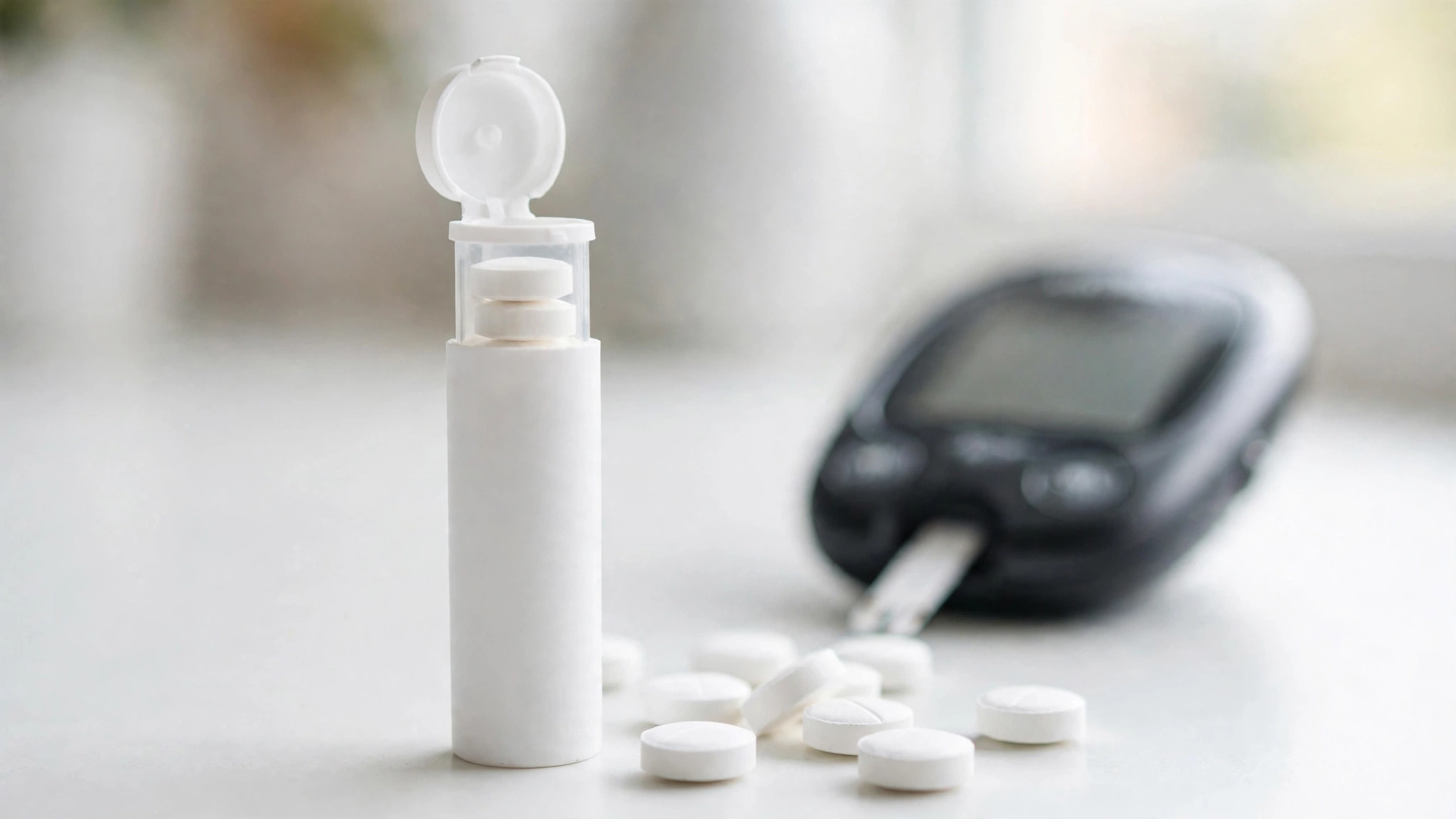
Glucose tablets feature image

Low blood sugar can arrive without much warning. One moment you feel fine; the next you are shaky, sweaty, and struggling to think clearly. For people with diabetes — especially those on insulin or certain diabetes medicines — these episodes, called hypoglycemia, are a common risk. Having a fast, reliable way to raise blood sugar turns a frightening moment into a manageable one. That is what glucose tablets are for: small, portable tablets that bring blood sugar back up quickly and predictably. This guide explains what they are, how to use them, and how to choose the right ones.

What Are Glucose Tablets?

Glucose tablets are chewable tablets made from dextrose, a simple sugar the body absorbs very quickly. Each tablet usually holds around 4 grams of fast-acting carbohydrate, though the amount varies by brand, so check the label. They are sold over the counter in tubes or bottles, need no prescription, and last a long time on the shelf. Unlike chocolate or snack bars, they contain almost no fat or protein — important because fat slows digestion, while pure glucose enters the blood fast. Their biggest advantage is precision: you always know exactly how many grams of carbohydrate you are taking, which removes the guesswork from treating a low.

See also  5 Tips on How to Fight for Your Right to Birth Control

How Do Glucose Tablets Work?

When blood sugar drops, the body — especially the brain, which runs almost entirely on glucose — needs fuel urgently. Chewing a tablet releases dextrose that is absorbed rapidly into the bloodstream, and most people feel better within about 15 minutes. Because the dose is measured, tablets raise blood sugar in a controlled way. That helps you avoid overcorrecting, a common mistake during a low when panic leads to eating everything in sight and ending up with high blood sugar afterward. This predictable response is why doctors and diabetes educators often recommend glucose tablets as the first choice for mild to moderate lows.

When Should You Use Them?

Take them at the first signs of low blood sugar, commonly defined as a reading below 70 mg/dL — though your doctor may set a personal target for you. Warning signs include shakiness, sweating, sudden hunger, dizziness, a racing heartbeat, irritability, blurred vision, or trouble concentrating. If symptoms appear, check your blood sugar with a meter or continuous monitor when possible. If the reading is low — or you have symptoms but cannot test — take the tablets right away rather than waiting. They suit anyone prone to lows, most often people with diabetes using insulin or blood-sugar-lowering medicines. Never give food, drink, or tablets to someone unconscious or having a seizure; call emergency services instead.

How Many Should You Take?

Follow the widely taught 15-15 rule: take 15 grams of fast-acting carbohydrate, wait 15 minutes, then recheck. At roughly 4 grams per tablet, that usually means three to four tablets — but confirm your brand’s per-tablet amount and your doctor’s advice. Still low after 15 minutes? Take another 15 grams and check again. Once back in range, have a small snack with longer-lasting carbohydrate, adding protein if your next meal is over an hour away, to keep levels steady. Do not keep eating until you simply feel better; treating methodically prevents the rebound high that often follows a low.

See also  Enhance Your Life Through Physiotherapy: A Path to Optimized Wellness

Choosing the Right Tablets

Most glucose tablets work the same way, so focus on practical details. Pick a flavor you can chew quickly even while feeling unwell — orange, raspberry, and grape are common. Choose packaging for your routine: slim tubes fit a pocket or handbag; larger bottles suit a desk or kitchen shelf. Make sure the tablets are easy to chew, since very hard ones are difficult to manage with shaky hands. Compare carbohydrate per tablet for accurate dosing, and check expiry dates. Price gaps between brands are small, so convenience and taste matter most.

Carrying and Storing Tips

Keep tablets wherever a low might catch you: pocket or bag, desk, car, and bedside table. Heat makes them crumble or stick, so avoid a hot car in summer. Check expiry dates every few months and replace old stock. Also tell family, coworkers, and close friends where you keep them and how many to give you, so someone can help if you become too confused to treat yourself.

When to Get Medical Help

Call emergency services if someone becomes unconscious, has a seizure, or cannot swallow safely. See your doctor soon if lows happen often, if you needed another person’s help to recover, or if warning signs have faded — a condition called hypoglycemia unawareness. Frequent episodes may mean your medication, meal timing, or exercise routine needs adjusting. Never change diabetes medication on your own.

The Bottom Line

Glucose tablets are one of the simplest, most effective tools for low blood sugar: fast-acting, precisely dosed, portable, and inexpensive. Keeping them close turns a scary episode into a manageable one. For more practical guides and useful resources, visit web3core.tech.

See also  Effective Remedies for Stomach Flu: Tips for Symptom Management and Recovery

Continue Reading
Click to comment

Leave a Reply

Your email address will not be published. Required fields are marked *

Trending